
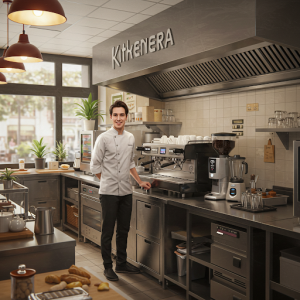
The right equipment is a crucial step in running a successful food service business with Hotels Equipment. Whether you’re launching a new restaurant, expanding a catering service, or upgrading an existing facility, the quality and functionality of your kitchen tools will directly impact efficiency, food quality, and overall customer satisfaction. Here’s a practical buyer’s guide to help you make informed decisions.
1. Understand Your Menu and Volume
Before making any purchases, assess your menu and estimate the volume of food you’ll prepare daily commercial kitchen equipment. A bakery has vastly different equipment needs compared to a steakhouse or sushi bar. Outline your cooking processes step by step to identify which appliances are essential and which ones can be scaled up or down based on demand.
2. Plan Your Layout and Workflow
A well-designed kitchen layout improves productivity and safety. Consider how chefs and staff will move between prep areas, cooking stations, storage, and dishwashing with Commercial Kitchen Design. Measure your space carefully and select equipment that fits comfortably without crowding. Some commercial appliances are large and may require customized installations or ventilation.
3. Invest in Quality and Durability
Commercial kitchen equipment takes a lot of abuse during daily use, so durability matters with Best kitchenware Shop Near Me. Stainless steel is the industry standard due to its resistance to rust, ease of cleaning, and long lifespan with Hotel Equipment. Are you looking for appliances built by reputable manufacturers with strong customer reviews? While upfront costs may be higher, quality equipment often pays off through reduced maintenance and longer service life.
4. Focus on Energy Efficiency
Energy-efficient appliances reduce utility bills and environmental impact. Look for products that meet “ISO 9001 : 2015” certification or feature eco-friendly components. Efficient ovens, refrigerators, and dishwashers can save thousands of dollars over time while supporting your sustainability goals.
5. Prioritize Safety and Compliance
Always ensure that the equipment you purchase meets local health and safety regulations. This includes proper sanitation standards, ventilation requirements, and fire safety compliance with Hotels Equipment. Equipment should be easy to clean, operate safely, and include features such as automatic shut-offs, cool-touch exteriors, and secure wiring.
6. Evaluate Versatility and Multi-Function Use
For kitchens with limited space, multi-functional equipment can be a game-changer. Combination ovens, food processors with interchangeable blades, or griddles that double as grills can help maximize space without sacrificing performance. The more versatile your equipment, the more flexible your kitchen can be when adapting to new dishes or changing customer preferences.
7. Set a Realistic Budget
Budgeting is key when purchasing kitchen equipment. Balance your need for quality with Hotels Equipment cost-effectiveness. Consider leasing or financing options for more expensive items, especially if you’re just starting out. Always compare prices from multiple suppliers and look for seasonal deals or refurbished options with warranties your commercial kitchen with the right equipment is essential for efficiency, food quality, and safety. Start by identifying your menu needs, kitchen layout, and expected volume.
Choose durable, energy-efficient appliances that meet health and safety regulations. Stainless steel equipment is ideal for its strength and easy maintenance. Invest in versatile tools that save space and adapt to changing demands with Cafe Equipments. Always compare prices, consider warranties, and plan for future growth. Whether you’re starting a restaurant or upgrading, the right kitchen equipment can boost productivity and help your business thrive in a competitive food service industry..
8. Plan for Future Growth
Don’t just buy for the present—think ahead. Choose equipment that can support increased output if your business expands. Modular designs or stackable units offer scalability without a complete overhaul later on.
Conclusion
Choosing the right commercial kitchen equipment involves more than just picking appliances off a list. It requires thoughtful planning, a deep understanding of your food service needs, and a long-term vision for your business Hotels Equipment. With the right strategy, your kitchen will become a well-oiled machine that supports efficiency, quality, and growth.