
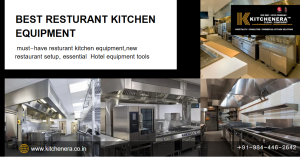
The scenes of every successful dining experience is a well-equipped kitchen. The right Restaurant Kitchen Equipment isn’t just about convenience — it’s the backbone of your entire operation. From improving food quality and consistency to ensuring safety and efficiency, commercial-grade kitchen tools are indispensable.
In this guide, we’ll explore the most important types of equipment every restaurant kitchen needs, tips for choosing the right appliances, and how to maintain them for long-term success.
1. Cooking Equipment: The Heart of the Kitchen
The core of any commercial kitchen lies in its cooking appliances. These tools bring your menu to life, so investing in high-quality equipment is a must.
- Ranges and Ovens: These are the workhorses of the kitchen. Whether you’re baking, roasting, or sautéing, you’ll need both gas or electric ranges and convection ovens with Restaurant Kitchen Equipment. For pizzerias or bakeries, specialized ovens like deck or combi ovens can make all the difference.
- Grills and Griddles: Ideal for diners and casual eateries, grills are perfect for burgers, steaks, and sandwiches. Griddles offer a flat surface for items like pancakes and eggs with commercial kitchen equipment.
- Deep Fryers: A staple in many restaurants, deep fryers are essential for preparing crispy, golden appetizers and main courses like fries, chicken wings, or tempura.
- Microwaves: While not a primary cooking method, commercial microwaves are useful for reheating, defrosting, and speeding up service.
2. Refrigeration and Storage Solutions
Proper food storage is critical to maintaining freshness and complying with health regulations. Here’s what to include:
- Reach-In Refrigerators and Freezers: These are essential for keeping perishable items at safe temperatures. Look for models with adjustable shelves and energy-efficient features.
- Walk-In Coolers and Freezers: Larger restaurants will benefit from these high-capacity storage units. They provide ample space to store bulk ingredients and prepped food.
- Undercounter and Prep Table Refrigerators: These compact units fit under work surfaces and keep key ingredients within reach during service.
- Dry Storage Shelving: Use stainless steel shelves to organize canned goods, dry ingredients, and paper products.
3. Food Prep Equipment
A restaurant kitchen handles a lot of chopping, blending, mixing, and portioning. Having the right prep tools makes kitchen tasks faster and more consistent with Restaurant Kitchen Equipment.
- Food Processors: Ideal for chopping, slicing, and pureeing, food processors save time and deliver consistent results.
- Commercial Mixers: Especially important in bakeries or pizzerias, these mixers handle large batches of dough, batter, or sauces.
- Slicers: Whether you’re slicing meats, cheeses, or vegetables, a commercial slicer helps with uniformity and efficiency.
- Blenders and Immersion Blenders: Great for soups, sauces, and smoothies — high-powered blenders are a must for any kitchen.
- Cutting Boards and Knives: Invest in color-coded cutting boards to prevent cross-contamination and durable, sharp knives for precise cuts.
4. Dishwashing and Sanitation Equipment
Cleanliness is a non-negotiable in the foodservice industry. Proper dishwashing equipment ensures hygiene and meets health standards.
- Dishwashers: A high-temperature commercial dishwasher not only cleans but sanitizes dishes and cookware efficiently.
- Three-Compartment Sinks: Required by many health departments, these sinks help with washing, rinsing, and sanitizing utensils manually with Refrigeration Commercial Kitchen Equipment.
- Handwashing Stations: Every kitchen must include designated sinks for handwashing to maintain hygiene protocols.
- Grease Traps and Ventilation Systems: Proper ventilation and grease management are essential for air quality and fire prevention.
5. Smallwares and Cookware
While large appliances are vital, don’t overlook the importance of smaller items that make a big difference during service.
- Pots and Pans: Stainless steel and non-stick cookware in various sizes is essential for preparing a range of dishes with Restaurant Kitchen Equipment.
- Tongs, Ladles, and Spatulas: These tools help chefs maneuver food safely and efficiently.
- Measuring Cups and Scales: Accuracy matters in cooking and baking, so these are indispensable for portion control and recipe consistency.
- Timers and Thermometers: Food safety depends on correct cooking times and internal temperatures, making these simple tools critical.
6. Choosing the Right Equipment
When choosing kitchen equipment, consider your restaurant’s size, menu, and customer volume. Here are a few tips:
- Quality Over Price: Choose durable equipment from reputable brands. While upfront costs may be higher, you’ll save on repairs and replacements over time with Cloud Kitchen.
- Energy Efficiency: Look for ENERGY STAR® rated appliances to reduce utility bills and your environmental footprint.
- Ease of Cleaning: Stainless steel surfaces are ideal for quick cleanup and hygiene. Consider removable parts for deeper sanitation with Restaurant Kitchen Equipment.
- Warranties and Support: Ensure the equipment comes with a warranty and reliable customer service options.
7. Maintaining Your Equipment
Regular maintenance extends the life of your investment and ensures smooth kitchen operations. Create a maintenance schedule that includes:
- Daily cleaning and sanitization
- Weekly deep cleaning of fryers, grills, and hoods
- Monthly inspections for leaks, wear, or buildup
- Annual professional servicing for large appliances
Final Thoughts
A well-equipped restaurant kitchen is the cornerstone of a successful food service business. By investing in quality equipment, maintaining high standards of cleanliness, and choosing tools that match your menu needs, you set your team up for culinary excellence at Hotel Equipment. Whether you’re opening a small bistro or a bustling diner, the right kitchen setup can turn your vision into a thriving, efficient reality.